The Incredible Story of Newsprint Paper: From Forest to Front Page

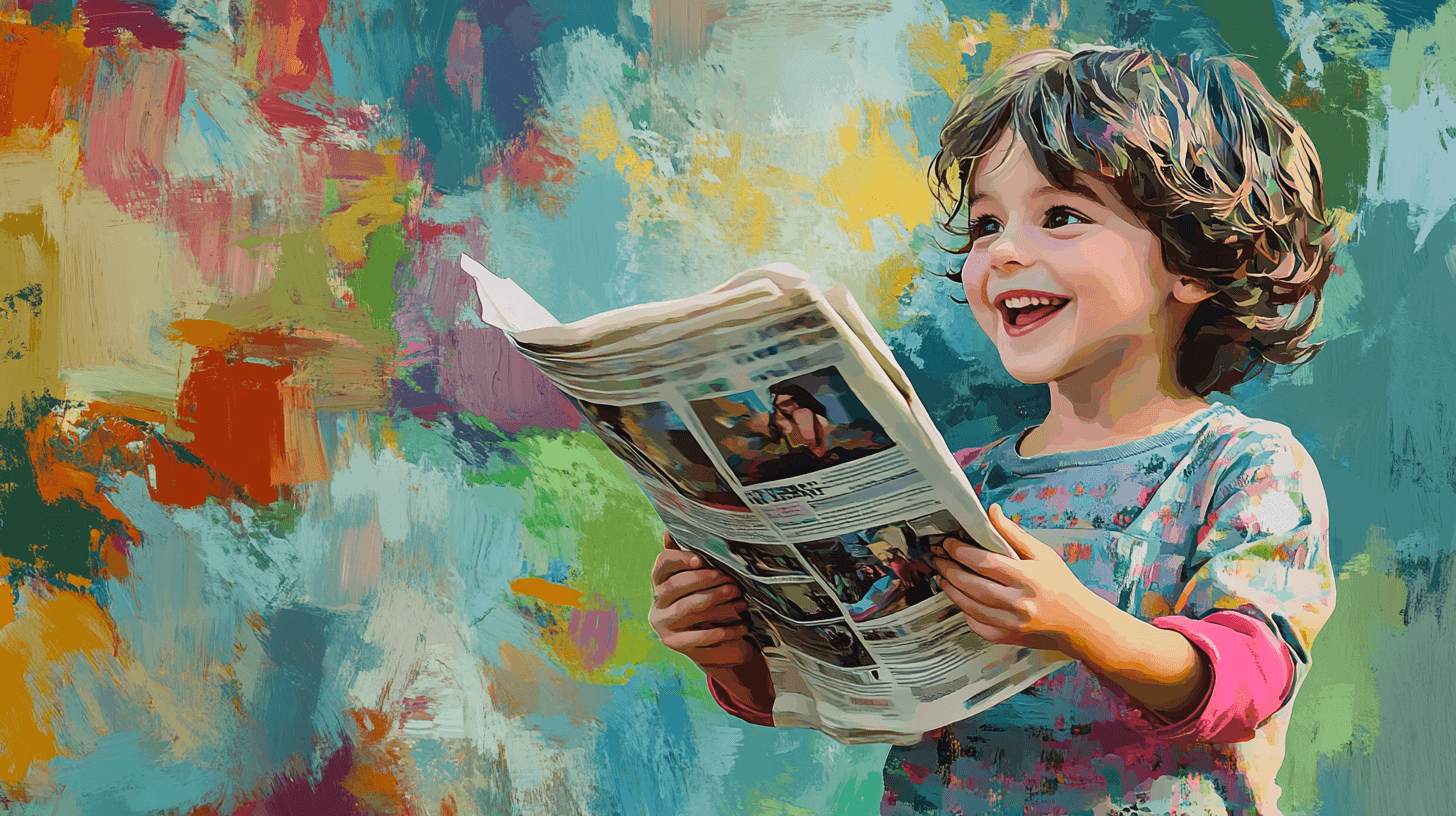
Child with Newsprint

Introduction

Hey there, curious minds! 🌟 Have you ever held a newspaper and wondered, “What kind of paper is this?” It’s not quite like the paper in your notebooks or the glossy pages of a magazine. This special paper is called Newsprint Paper! Today, we’re going to explore what newsprint paper is, how it’s made, how it’s different from other papers, and all the cool ways it’s used. Ready for an adventure? Let’s go! 🚀


What is Newsprint Paper?

Newsprint Paper is a type of paper that’s lightweight, inexpensive, and perfect for printing newspapers, comics, and more. It’s known for its slightly rough texture and off-white color. Because it’s easy to produce in large quantities, it’s the go-to paper for printing news that reaches millions of people every day!


How is Newsprint Paper Different from Other Papers?

  • Cost-Effective 💰: Newsprint is cheaper to make because it uses less processing and fewer chemicals.
  • Color 🌈: It has a natural, slightly gray or off-white color, unlike the bright white of printer paper.
  • Texture 👐: It’s thinner and has a rougher feel compared to smoother, thicker papers.
  • Durability 🛡️: Newsprint isn’t as durable; it can tear more easily and may turn yellow over time.
  • Ink Absorption 🖋️: It absorbs ink quickly, which is great for fast printing but can cause smudging if touched too soon.

Cool Uses of Newsprint Paper

1. Newspapers and Comics 🗞️

The most common use! It allows for quick and mass production of daily news and fun comics.

2. Art and Crafts 🎨

Artists use newsprint for sketching and practicing because it’s affordable and great for charcoal or pencil drawings.

3. Packaging Material 📦

It’s used to wrap fragile items or fill empty spaces in packages to protect items during shipping.

4. Classroom Fun 🏫

Teachers use it for big art projects, murals, and covering bulletin boards.

5. DIY Projects ✂️

From paper mâchÊ to homemade kites, newsprint is perfect for creative projects.


Fun Activity: Create Your Own Newspaper! 📰

Materials Needed:

  • A few sheets of newsprint paper (or any large paper you have)
  • Markers, crayons, or colored pencils
  • Imagination!

Steps:

  1. Name Your Newspaper: Come up with a catchy name like “The Daily Adventure” or “Kids’ News Now”.
  2. Write a Headline: Think of an exciting event—maybe a school achievement, a sports victory, or a fictional story.
  3. Compose an Article: Write a short story about your headline. Remember to include the who, what, when, where, and why!
  4. Add Pictures: Draw illustrations or even paste photos (with permission) to make it look real.
  5. Share It: Show your newspaper to family and friends or display it in your room!

Did You Know? 🤔

  • Fast Production: Newsprint allows newspapers to be printed at incredible speeds—some machines can print over 60,000 copies per hour!
  • Recycling Champion: Newsprint is highly recyclable, which helps save trees and reduce waste.
  • Historical Importance: Newspapers have been around for centuries, spreading important news to people all over the world.

Quiz Time! 📝

  1. What process is mainly used to make newsprint paper? A) Chemical pulping B) Mechanical pulping C) Digital printing
  2. Why is newsprint paper cheaper than other papers? A) It’s made from plastic B) It uses less processing and fewer chemicals C) It’s imported from space
  3. What is a common use for newsprint paper besides newspapers? A) Building houses B) Art and crafts projects C) Making smartphones

Answers: 1-B, 2-B, 3-B
The Amazing Journey of Kraft Paper: From Trees to Your Hands

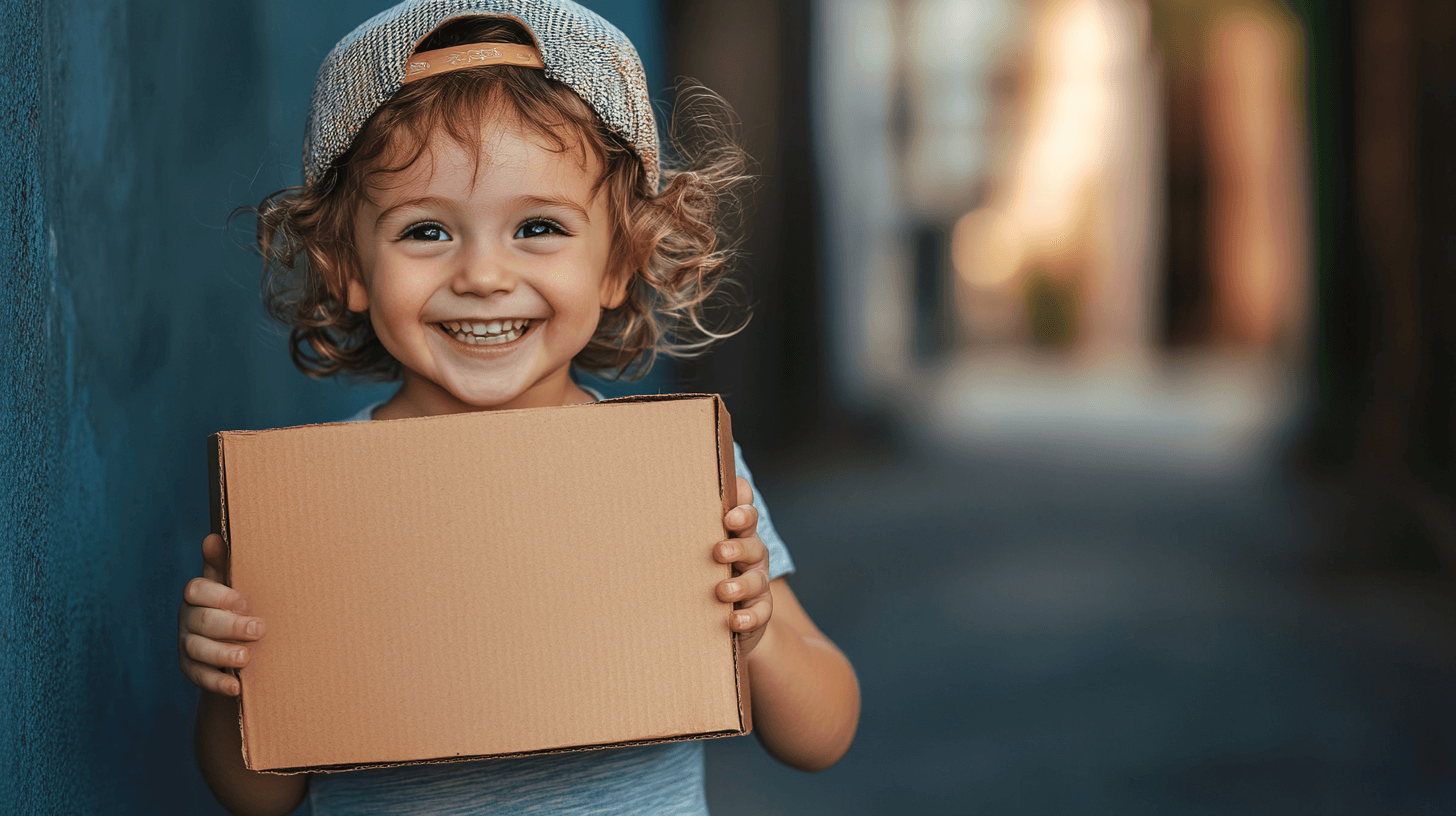
Child with Corrugated Box

Introduction

Hey there! 🖐️ Have you ever received a package wrapped in sturdy brown paper or made a cool craft project using thick paper? That’s Kraft Paper! But what exactly is it, and how is it different from the paper in your notebooks? Let’s embark on an exciting journey to discover the world of Kraft Paper!


What is Kraft Paper?

Kraft Paper is a special kind of paper known for its strength and durability. It’s the strong, brown paper you might see in grocery bags, shipping packages, or even in some art projects. The word “Kraft” comes from the German word for “strength,” and that’s exactly what this paper is all about!


How is Kraft Paper Made?

1. Starting with Trees 🌳

The journey begins in forests where trees like pine and spruce grow. These trees are chosen because they’re rich in a material called cellulose, which is essential for making strong paper.

2. Turning Wood into Pulp 🪵➡️🧃

The logs are chopped into small wood chips. These chips are then cooked in a special mixture of chemicals in a big tank called a digester. This process breaks down the wood and separates the cellulose fibers, creating something called “pulp.”

3. The Kraft Process 🔄

The method used to cook the wood chips is known as the “Kraft Process.” It removes a substance called lignin (which holds wood fibers together) but keeps the cellulose fibers strong. This is what gives Kraft Paper its toughness!

4. Washing and Screening 🚿

The pulp is washed to remove any leftover chemicals and screened to get rid of large chunks. Now, it’s ready to be turned into paper!

5. Forming the Paper 📄

The clean pulp is spread out on a big screen and drained of water. As it dries, the cellulose fibers bond together, forming a continuous sheet of paper. This paper is then pressed and dried to make it even stronger.

6. Rolling it Up! 🌀

Finally, the paper is rolled into huge rolls, ready to be cut and used in various ways.


How is Kraft Paper Different from Other Papers?

  • Strength 💪: Kraft Paper is stronger than regular paper because of the Kraft Process, which keeps the cellulose fibers long and intact.
  • Color 🌰: It has a natural brown color because it isn’t heavily bleached like white paper. This also makes it more environmentally friendly!
  • Texture 🌾: It’s usually thicker and has a rougher texture compared to smooth printer paper.
  • Durability 🛡️: It can handle more wear and tear, making it perfect for wrapping and packaging.

Awesome Uses of Kraft Paper

1. Packaging and Shipping 📦

Because it’s so strong, Kraft Paper is ideal for making bags, wrapping parcels, and protecting items during shipping.

2. Arts and Crafts 🎨

Artists and crafters love Kraft Paper! You can draw, paint, and make all sorts of creative projects with it.

3. Recycling and Eco-Friendly Products ♻️

Kraft Paper is biodegradable and recyclable, which means it’s better for our planet! Many companies use it to make eco-friendly packaging.

4. School Projects and Decorations 🏫

From making posters to decorating classrooms, Kraft Paper is a handy tool in schools.


Fun Activity: Make Your Own Kraft Paper Bookmark! 📚

What You’ll Need:

  • A piece of Kraft Paper
  • Markers or crayons
  • Scissors (ask an adult for help)
  • Stickers or stamps (optional)

Steps:

  1. Cut a rectangle out of the Kraft Paper to make your bookmark.
  2. Decorate it with drawings, your name, or fun designs.
  3. Personalize it with stickers or stamps if you like.
  4. Use it in your favorite book!

Conclusion

Kraft Paper might seem simple, but it’s a remarkable material with a fascinating journey from trees to everyday items we use. Next time you see that sturdy brown paper, you’ll know all about its amazing story!


Quiz Time! 📝

  1. What does the word “Kraft” mean in German?
    • A) Paper
    • B) Strength
    • C) Brown
  2. Why is Kraft Paper stronger than regular paper?
    • A) Because it’s thicker
    • B) Because of the Kraft Process keeping cellulose fibers long
    • C) Because it’s made from special trees
  3. Is Kraft Paper recyclable?
    • A) Yes
    • B) No

Answers: 1-B, 2-B, 3-A


Remember, the world of materials around us is full of surprises. Keep exploring and stay curious! 🌟

Journey Through the Paper Multiverse: A Cinematic Exploration of Unique Paper Types

Imagine stepping into a magical world where every type of paper has its own story to tell and role to play, just like characters in your favorite movies. From heroes and sidekicks to the ultimate villains of art projects, paper is everywhere. Let’s journey through this “Paper Multiverse,” exploring its different forms with a sprinkle of Hollywood flair.

1. Bond Paper — The Reliable Hero

If paper had a superhero, it would undoubtedly be Bond paper. It’s the Captain America of the paper world: strong, reliable, and always ready to save the day. Whether you’re printing your school essays or signing a contract, Bond paper is your dependable ally. It’s the kind of paper Tony Stark might use to sketch Iron Man’s blueprints — precise, formal, and always on point.

2. Glossy Paper — The Glamorous Diva

Think of Glossy paper as the movie star who steals the spotlight in every scene. It’s the Regina George from Mean Girls — shiny, eye-catching, and impossible to ignore. You’ll find this diva paper gracing the pages of magazines, showcasing your family photos, or making your school project pop. Whenever something needs a little extra sparkle, glossy paper takes center stage.

3. Newsprint — The Everyday Hero

Newsprint is the friendly neighborhood Spider-Man of the paper world. It’s not flashy or glamorous, but it gets the job done — delivering daily news, comics, and crossword puzzles. It’s lightweight, humble, and perfect for keeping you updated on the latest happenings, whether it’s in The Daily Bugle or your local newspaper.

4. Cardstock — The Creative Sidekick

Cardstock is like Samwise Gamgee from The Lord of the Rings — sturdy, dependable, and always ready for an adventure. It’s thicker and more durable than regular paper, making it perfect for crafting birthday cards, designing invitations, or creating DIY decorations. If you’re building a school diorama, cardstock is your trusty companion.

5. Parchment Paper — The Ancient Wizard

Historically, parchment was made from animal skins and used for manuscripts. Modern parchment paper, made from cellulose and coated with silicone, is perfect for baking and non-stick cooking. Like Gandalf, it blends ancient legacy with modern practicality.

6. Recycled Paper — The Eco-Warrior

Enter the WALL-E of the paper world: recycled paper. This paper’s mission is to save the planet, one sheet at a time. It’s made from reused materials, cutting down on waste. Imagine the Avengers rallying together to fight Thanos — that’s recycled paper battling against environmental destruction. Use it for your notes and feel like a hero for the Earth.

7. Tissue Paper — The Emotional Support

Tissue paper is the soft and comforting Baymax from Big Hero 6. Whether it’s wrapping a gift or drying your tears during a sad movie, tissue paper is always there for you. It may not be the strongest, but it has a heart of gold.

8. Kraft Paper — The Rugged Adventurer

Kraft paper is the Indiana Jones of the paper multiverse. Tough, resilient, and ready for action, it’s used in packaging, crafting, and even making cool paper bag costumes. If you’re working on an eco-friendly project, Kraft paper is your go-to adventurer.

Why Paper Matters in Every Story

Just like movies need great characters, your projects need the right paper. Choosing the correct type of paper can elevate your work from “meh” to “wow.” Bond paper is great for presentations, glossy paper adds flair, and cardstock handles the heavy lifting for creative tasks.

So next time you’re picking paper, think about which character from the Paper Multiverse fits your story. Whether it’s for schoolwork, art, or a fun project, remember: the right paper can turn your ordinary project into a blockbuster hit!

Sustainable Food Packaging: How Eco-Friendly Solutions are Transforming the Industry

Walking through the aisles of your local supermarket, you might notice something changing. The shiny plastic wrappers and non-recyclable containers are gradually giving way to earthy tones and materials that feel more natural. This isn’t just a trend—it’s a transformation in the food packaging industry driven by sustainability.

The Environmental Cost of Convenience

For years, the convenience of single-use plastics has come at a significant environmental cost. According to the World Economic Forum, approximately 8 million tons of plastic waste enter the oceans each year. Much of this comes from food packaging, which often ends up in landfills or pollutes natural habitats due to its non-biodegradable nature.

Marine life suffers greatly from plastic pollution, with countless species ingesting or becoming entangled in plastic debris. The impact on ecosystems is profound, prompting urgent calls for change.

A Shift Towards Sustainability

Recognizing the critical need to address plastic pollution, companies worldwide are adopting eco-friendly packaging solutions. This shift is driven by environmental concerns and changing consumer preferences.

Real-World Innovations

Tetra Pak, a leader in food processing and packaging solutions, has been pioneering sustainable packaging. They’ve developed cartons made primarily from paperboard sourced from responsibly managed forests. These cartons are recyclable and have a lower environmental impact compared to traditional packaging.

Loop, a circular shopping platform launched by TerraCycle, partners with brands like NestlĂŠ and Procter & Gamble to offer products in reusable containers. Customers purchase products in durable packaging that can be returned, cleaned, and refilled, reducing reliance on single-use packaging.

Notpla, a start-up based in the UK, has developed packaging made from seaweed and plants. Their innovative materials are biodegradable and can decompose naturally, offering an alternative to plastic.

Legislative Support

Governments are playing a crucial role in this shift. The European Union implemented the Single-Use Plastics Directive in 2021, banning certain single-use plastic items and encouraging the use of sustainable alternatives. Similarly, countries like Canada have announced plans to ban harmful single-use plastics, pushing the industry towards eco-friendly solutions.

Consumer Influence

Consumers are increasingly demanding sustainable options. A survey by IBM and the National Retail Federation found that nearly 70% of consumers in the U.S. and Canada consider sustainability when making a purchase and are willing to pay a premium for eco-friendly products.

This consumer pressure is compelling companies to innovate and adopt sustainable practices. Unilever, for example, has committed to making all of its plastic packaging reusable, recyclable, or compostable by 2025.

Benefits Beyond the Environment

Sustainable packaging offers advantages beyond environmental conservation:

  • Brand Loyalty: Companies adopting sustainable practices often enjoy enhanced brand loyalty. Consumers are more likely to support brands that align with their values.
  • Regulatory Compliance: Early adoption of sustainable packaging helps companies stay ahead of regulations and avoid potential fines or restrictions.
  • Economic Opportunities: The shift creates opportunities for innovation and growth in new sectors, such as biodegradable materials and recycling technologies.

Overcoming Challenges

Transitioning to sustainable packaging presents challenges, including higher initial costs and the need for new technologies. However, collaboration across industries is paving the way.

The Sustainable Packaging Coalition brings together businesses, educational institutions, and government agencies to develop meaningful improvements in packaging sustainability. Through collective efforts, they address challenges and share solutions.

The Future is Sustainable

The momentum towards sustainable food packaging is undeniable. As innovations continue and consumer demand grows, eco-friendly packaging solutions are set to become the industry standard.

Companies investing in sustainable packaging are positioning themselves as leaders in an environmentally conscious market. The synergy between business success and environmental stewardship is becoming increasingly apparent.

Taking Action

Every stakeholder has a role in this transformation:

  • Consumers: By choosing products with sustainable packaging and properly recycling, consumers can drive demand for eco-friendly options.
  • Businesses: Companies can invest in research and adopt sustainable materials, contributing to environmental conservation and appealing to conscious consumers.
  • Policymakers: Governments can support the shift through legislation and incentives that promote sustainable practices.

Conclusion

The shift towards sustainable food packaging is not just a passing trend—it’s a critical step towards preserving our planet for future generations. By embracing eco-friendly solutions, the food packaging industry is not only transforming itself but also making a significant contribution to global sustainability efforts.

As you unwrap your next snack or prepare a meal, take a moment to consider the packaging. Each eco-friendly package represents a collective stride towards a healthier planet—a small but significant part of a larger journey towards sustainability.


References:

  1. World Economic Forum – “The New Plastics Economy: Rethinking the future of plastics”
    Link
  2. Tetra Pak – Sustainability Initiatives
    Link
  3. Loop by TerraCycle – Reusable Packaging Platform
    Link
  4. Notpla – Seaweed-Based Packaging
    Link
  5. European Union – Single-Use Plastics Directive
    Link
  6. IBM and National Retail Federation Survey – Consumer Sustainability Trends
    Link
  7. Unilever – Sustainable Packaging Commitments
    Link
  8. Sustainable Packaging Coalition – Collaborative Industry Efforts
    Link

Softwood Trees: The Forest Heroes You Didn’t Know About

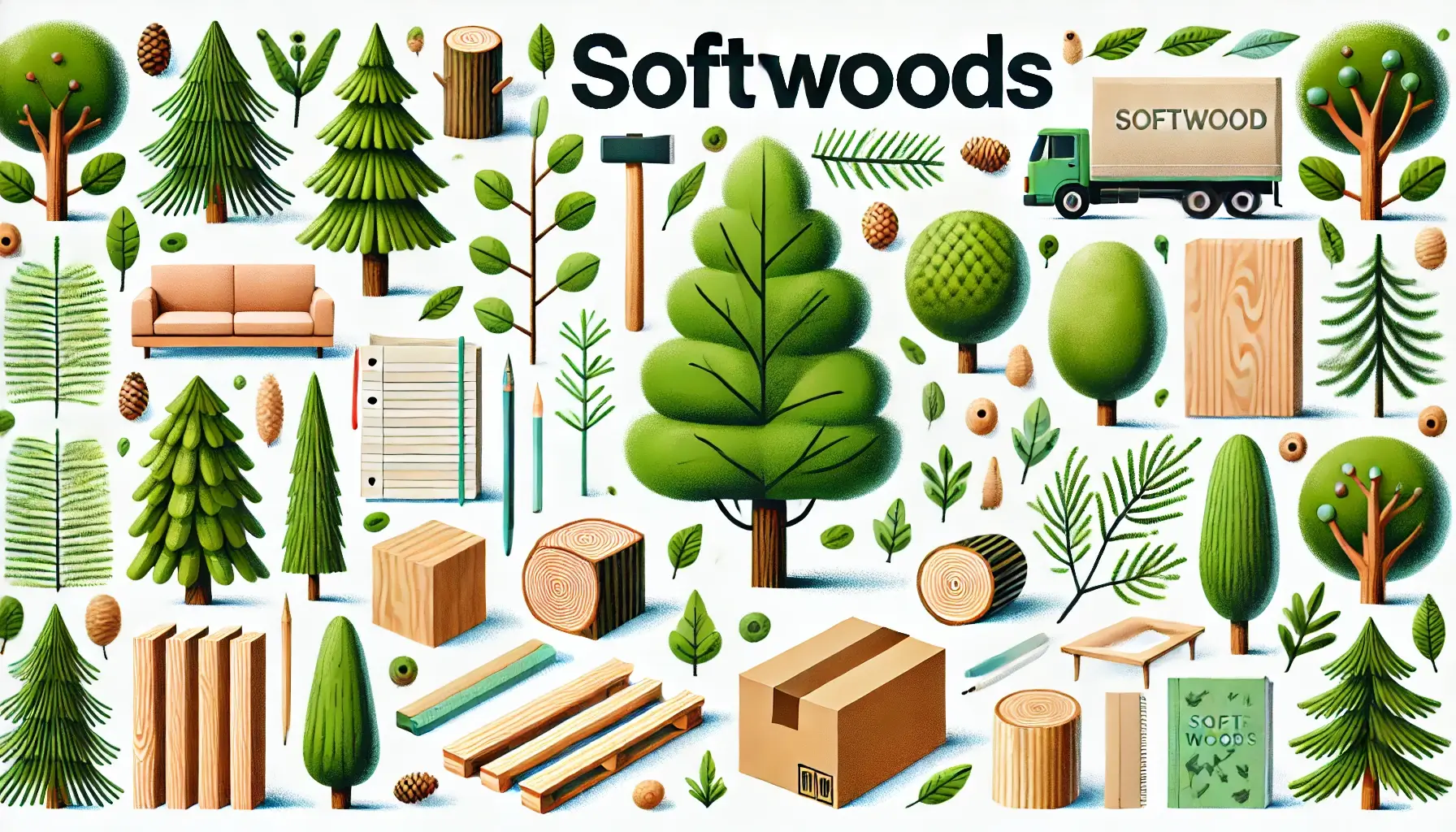
Ever noticed the tall, pointy trees with needles instead of leaves? Those are softwood trees, like pine, fir, and spruce! They’re not only awesome to look at but are also essential in everything from building homes to making paper.

What Makes Softwoods So Cool?

  1. Fast-Growing Champs 🌲: Softwoods grow super fast compared to hardwoods. This means they’re easier to regrow, making them an eco-friendly choice. Because they grow quickly, we can use them without worrying as much about deforestation.
  2. Unique Needle Leaves & Cone Seeds 🌱: Softwood trees have needle-like leaves that help them save water, especially in cold or dry places. They also spread seeds through cones, like nature’s own recycling method, which keeps forests thriving.
  3. Strong but Lightweight 💪: Softwoods are surprisingly tough for being so light. Builders love using them for houses and furniture because they’re strong, easy to cut, and simple to transport. Think about that next time you see a wooden chair or table!
  4. Perfect for Paper & Packaging 📦: Softwoods’ fibers are long and thin—ideal for making paper products. That notebook in your backpack? It probably came from a softwood tree! Softwoods are also used in cardboard boxes, which are sturdy enough for shipping things worldwide.

Why They’re Important to the Planet 🌍

Softwoods do more than provide materials—they’re also green warriors! Since they grow fast, they can absorb tons of CO₂, helping combat climate change. They make forests more sustainable, allowing us to have what we need without hurting the environment as much.

What Makes Specialty Papers Unique? A Look at Glazed, MF, and MG Papers

Did you ever notice that not all paper feels or looks the same? Some are glossy and smooth, while others are rough or just plain matte. These differences come from how each type of paper is made. Let’s explore three cool types: Glazed Paper, MF (Machine Finished) Paper, and MG (Machine Glazed) Paper—what they are, how they’re different, and where they’re used!


🌈 What’s Glazed Paper?

Glazed paper has a shiny, polished surface that’s all about looks! It’s created by pressing the paper through high-pressure rollers, which gives it a glossy finish. This makes it perfect for gift wrap, packaging, or labels where you want a bit of sparkle ✨. But heads up—it’s not the best for writing since the smooth surface doesn’t absorb ink well, so it’s more about style than function.


🔍 MF vs. MG Paper—What’s the Difference?

When we talk about specialty papers, we often mention MF and MG types. Here’s what they mean:

  • MF Paper (Machine Finished): Smooth but not shiny. This type is treated with steam-heated cylinders, giving it an even smoothness on both sides. MF paper is great for notebooks, writing pads, and printing because it’s easy to write on and has a nice feel—no glossy finish to get in the way!
  • MG Paper (Machine Glazed): Now, this one’s unique! MG paper has one shiny side and one dull side, thanks to a big heated roller called a Yankee dryer. The shiny side is awesome for printing, while the rougher side can absorb moisture. This type of paper is often used for food packaging, gift wrap, and tissues!

✍️ Why Can’t You Write on Glazed Paper?

The glossy finish on glazed paper creates a non-porous surface, which means ink just sits on top instead of soaking in. That’s why pens tend to smudge or not work well on it. This makes glazed paper perfect for magazine covers or gift wrap—places where you care more about looks than writing.


🎁 Where is MG Paper Used?

MG paper’s split personality—shiny on one side, dull on the other—makes it super versatile:

  • Food Wrappers: The glossy side looks nice, while the dull side can absorb moisture. Perfect for your burger wrappers! 🍔
  • Tissues and Paper Towels: The rough side helps with absorbency, making it soft yet effective.
  • Gift Wrap: The shiny side adds a festive touch, while the uncoated side makes it easier to handle and fold 🎉.

Wrap-Up

Each type of specialty paper has its own vibe! Glazed paper is all about shine, MF paper is smooth and easy to write on, and MG paper has a unique glossy-dull combo. Knowing the difference helps us pick the perfect paper for every job—whether it’s for scribbling notes, wrapping gifts, or packaging food.

So next time you spot a shiny piece of paper, you’ll know exactly what makes it special and why it’s used the way it is!

Greaseproof Paper: The Secret Hero of the Kitchen and Beyond!

Have you ever wondered why your favorite burger or pastry doesn’t leave a big oily mess on the wrapper? The answer is greaseproof paper! This special kind of paper is used a lot in the food industry, but it also has other interesting uses that might surprise you. Let’s learn more about what greaseproof paper is, how it’s made, and where it’s used!

What is Greaseproof Paper?

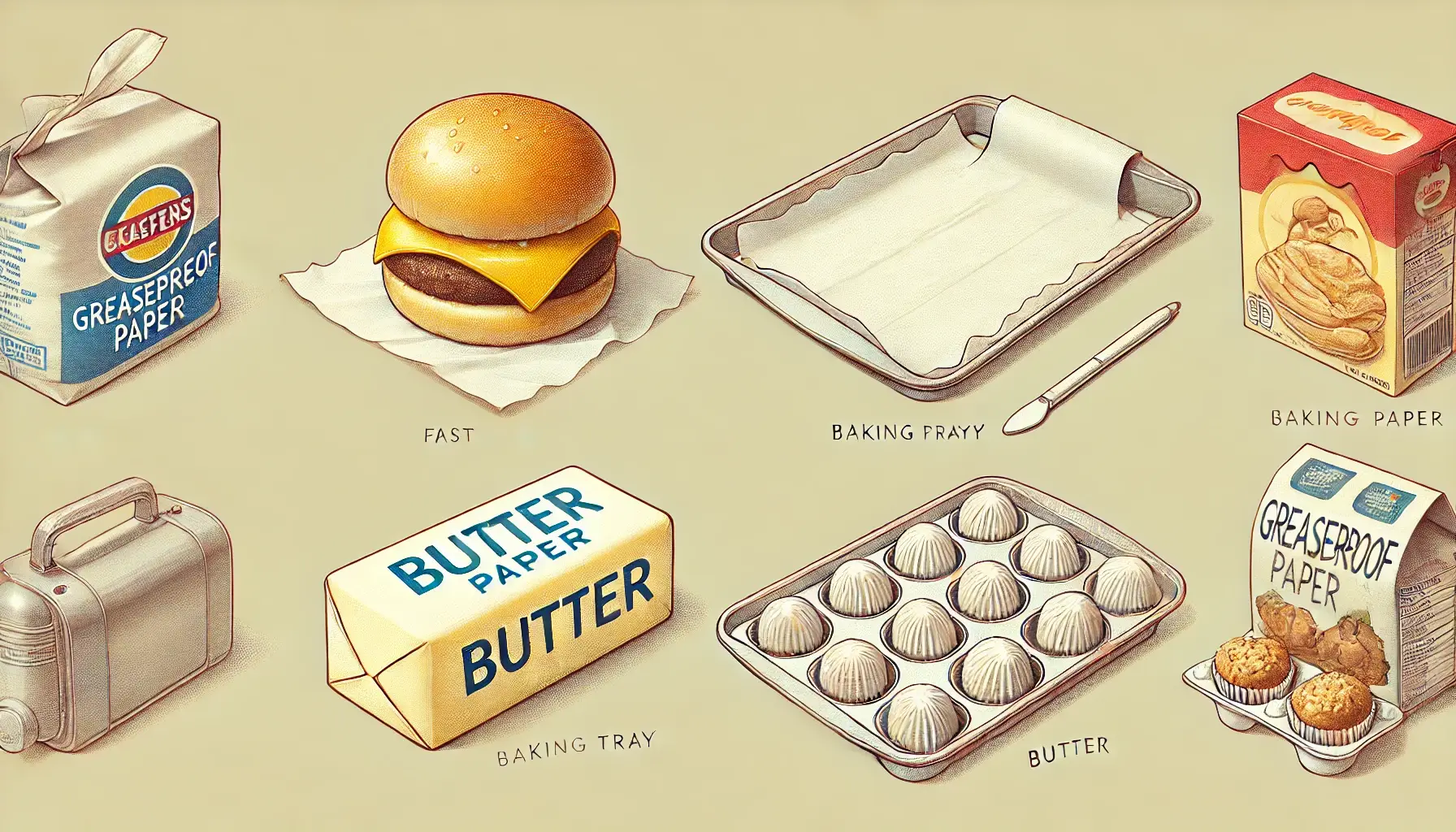
Greaseproof paper is a type of paper that has been specially treated to stop grease and oil from soaking through. It acts like a barrier between food and anything else, which means it keeps oil and grease from creating a mess. You’ve probably seen it used for wrapping burgers, pastries, or sandwiches. It’s really good at keeping food fresh while also keeping your hands clean.

How is Greaseproof Paper Made?

To make greaseproof paper, the paper is tightly compressed and treated so that it doesn’t let grease or oil pass through. This means it can handle oily foods without getting soggy or breaking apart. It’s kind of like giving the paper a raincoat that keeps oil away!

Uses of Greaseproof Paper in Different Industries

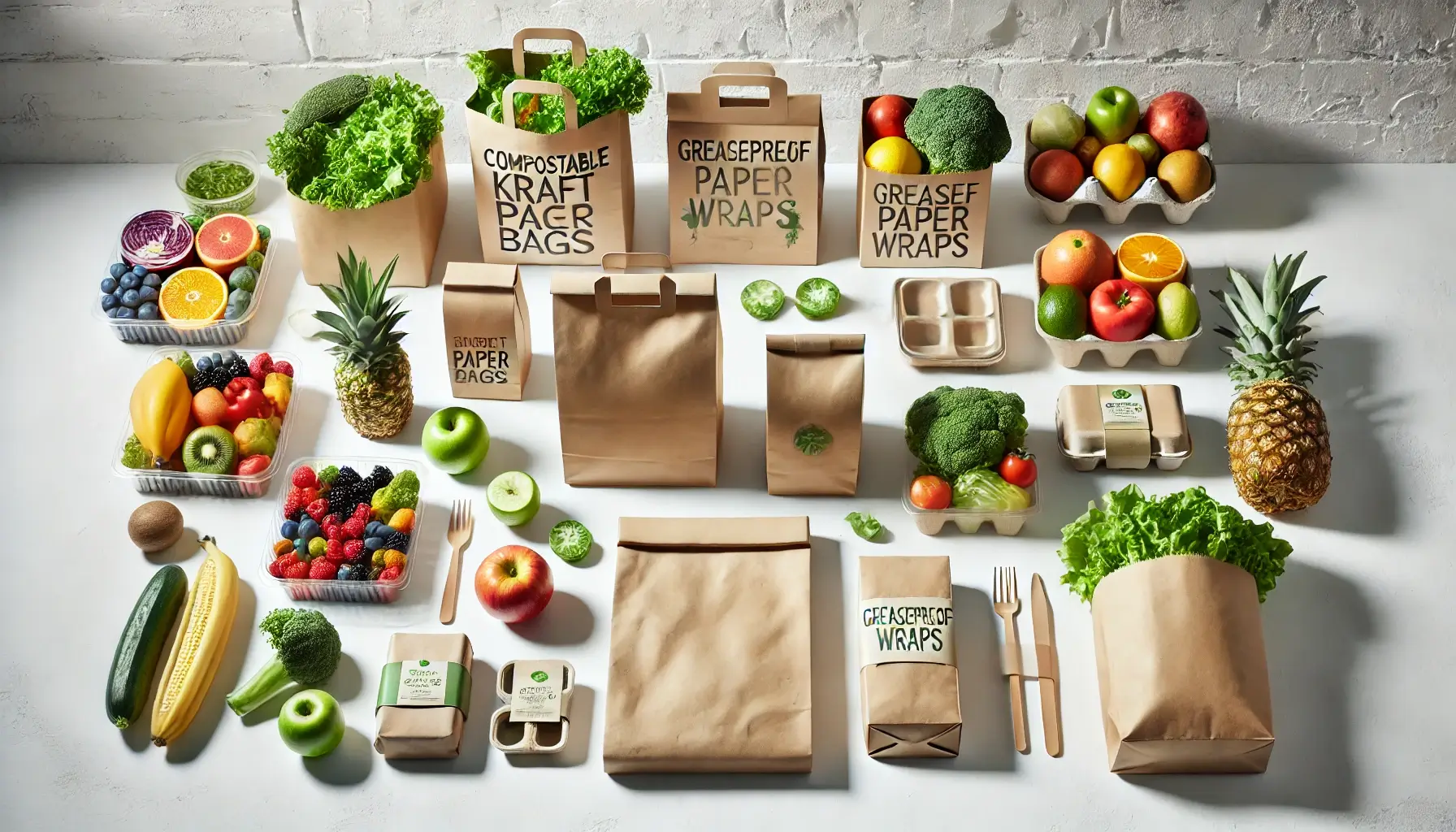
1. Food Industry: The most common use of greaseproof paper is in the food industry. It’s used to wrap burgers, baked goods, and fried foods. It helps keep the food fresh and prevents any oil from leaking. This makes it perfect for fast food, bakeries, and even for lining baking trays at home.

2. Packaging Industry: Greaseproof paper is also used in packaging. It’s great for wrapping things like butter or cheese because it doesn’t let oil seep through. It keeps the packaging clean and prevents food from sticking to the wrapper.

3. Cosmetics and Personal Care: Did you know that greaseproof paper is also used for cosmetics? It’s sometimes used to wrap soaps or balms to keep them from getting messy. It makes sure the packaging stays neat and tidy.

4. Arts and Crafts: Greaseproof paper is also popular in arts and crafts! Artists sometimes use it as a non-stick surface for working with clay or paint. It’s really useful because nothing sticks to it, making it easy to keep things clean.

Why is Greaseproof Paper So Popular?

Greaseproof paper is super useful because it keeps everything clean and fresh. It’s biodegradable, which means it’s better for the environment than plastic, and it doesn’t let oil or grease through, making it perfect for messy foods. It’s also great for keeping things neat and organized, whether it’s food, crafts, or even cosmetics.

Conclusion

Greaseproof paper may not be something you think about every day, but it’s definitely a hero when it comes to keeping things clean and tidy. From wrapping your favorite burger to helping artists create their masterpieces, greaseproof paper has so many cool uses. Next time you eat something wrapped in paper, remember that greaseproof paper is doing its job to keep things fresh and mess-free!

What other creative uses for greaseproof paper can you think of? Let us know—there are always more ways this secret hero can help out!

The Rise of Specialty Papers: Trends in Coated, Water-Resistant, and Embossed Papers

Have you ever noticed that not all paper is the same? Some papers feel super smooth and shiny, some don’t get soggy when wet, and some have cool patterns you can feel. These special kinds of paper are called specialty papers. Today, we are going to talk about three types of specialty papers that are becoming more popular: coated papers, water-resistant papers, and embossed papers. Let’s dive in to see why they are special and how they are used in everyday life!

What are Specialty Papers?

Specialty papers are papers that are made in a special way for certain jobs. Unlike regular paper that we use for writing or printing, specialty papers are designed to be extra useful in some situations. This could mean that they are shinier, tougher, or have special designs. Specialty papers help meet the needs of customers who want something that regular paper just can’t do.

Coated Papers: Smooth and Shiny

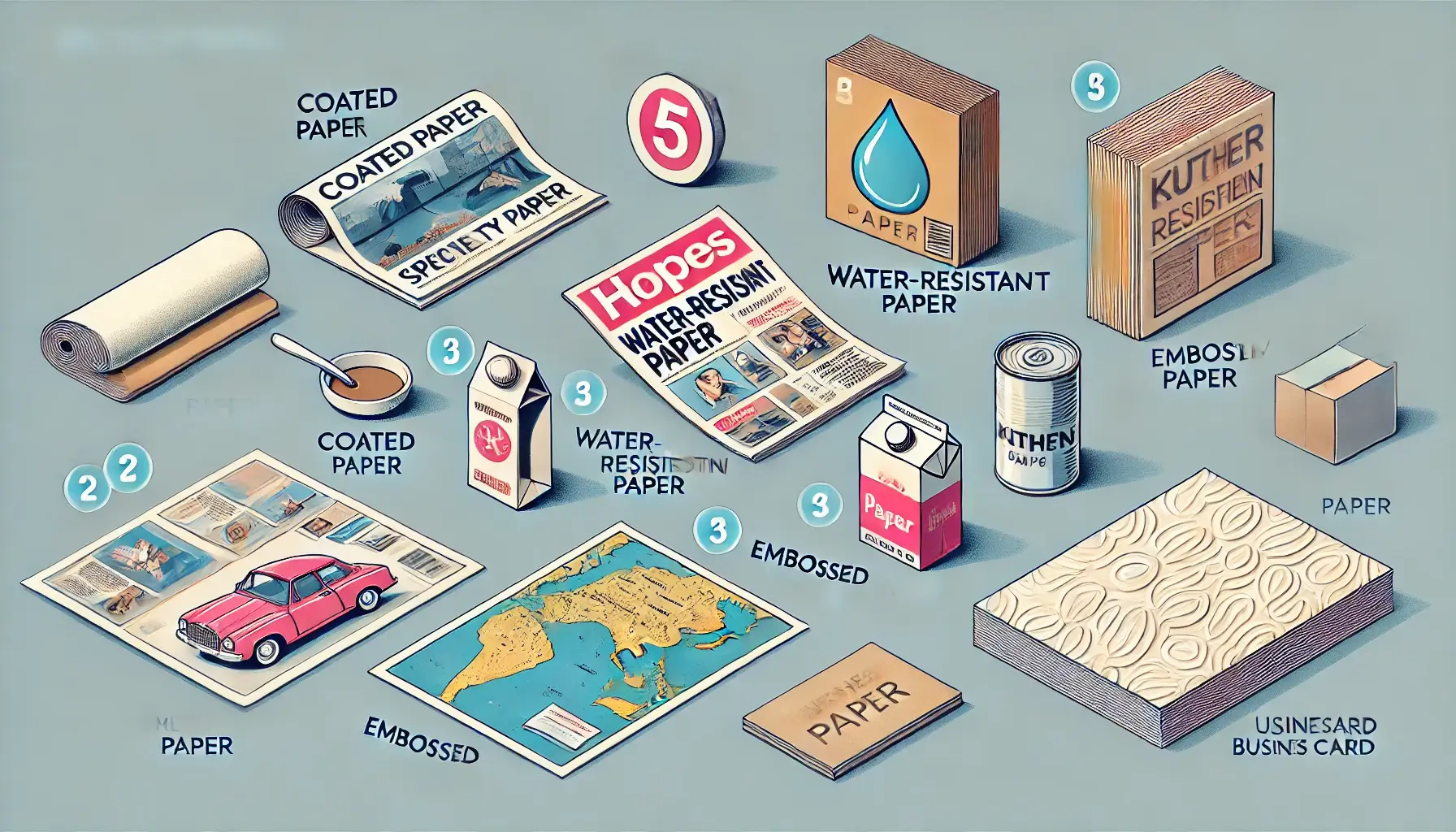
Coated paper is paper that has a special coating added to it to make it shiny or smooth. This coating can be made from materials like clay, and it helps the paper look and feel a lot better. Coated paper is used a lot for things like magazines, brochures, and photo books because the coating makes the colors look brighter and the pictures clearer.

From a customer’s point of view, coated paper is great when you want something that looks fancy or professional. For example, if you want to make a colorful photo album or a high-quality brochure to advertise something, coated paper is the best choice because it makes the colors pop. Coated paper also has a smooth texture, which makes it feel nice to the touch.

Water-Resistant Papers: Paper That Doesn’t Get Ruined by Water

Have you ever accidentally spilled water on a notebook and seen how the paper becomes a soggy mess? Well, water-resistant paper is here to solve that problem! Water-resistant paper is made with special materials that help it repel water, which means it doesn’t get ruined when it gets wet.

This type of paper is used for things like outdoor maps, labels, and notebooks that might get wet. Imagine you’re hiking in the rain, and you need to look at your map. A regular paper map would fall apart, but a map made from water-resistant paper would stay intact. This makes it perfect for people who work or play outside, like hikers, gardeners, or construction workers. It’s also useful for kitchen labels and menus in restaurants, where spills can happen easily.

Embossed Papers: Paper with Patterns You Can Feel

Embossed paper is paper that has a raised pattern or texture that you can feel when you touch it. This is done by pressing the paper between two patterned rollers. The result is paper that has fancy designs or textures, like flowers, waves, or geometric shapes.

Embossed paper is often used for wedding invitations, gift wrapping, and greeting cards. Imagine getting a birthday card with a beautiful raised pattern on it—it makes the card feel more special and thoughtful. Embossed paper gives products a high-quality look, which is why it’s often used when someone wants to make an impression. It’s also great for business cards, as the textured feel makes them more memorable.

Why Are Specialty Papers Becoming Popular?

Specialty papers are getting more popular because customers want unique and high-quality products. Let’s look at a few reasons why:

  1. Better Quality: Specialty papers, like coated or embossed papers, look and feel better than regular paper. Customers want products that stand out, whether it’s a fancy magazine or an invitation card that feels extra special.
  2. More Practical: Water-resistant paper is more practical for certain uses. People want things that don’t easily get ruined, especially for outdoor activities or areas where spills are common.
  3. Making an Impression: When people use embossed paper for cards or invitations, it helps them make a lasting impression. Specialty papers show that extra effort was put in, and they make products feel more valuable.

Everyday Uses of Specialty Papers

  • Magazines and photo books use coated paper to make images look colorful and professional.
  • Outdoor maps and kitchen labels use water-resistant paper so they can handle water without getting damaged.
  • Greeting cards, wedding invitations, and gift wraps often use embossed paper to make them feel special and unique.

Conclusion

Specialty papers, like coated, water-resistant, and embossed papers, are changing the way we use and experience paper. They help make products look better, last longer, and feel special. Whether it’s a shiny magazine, a waterproof map, or a beautifully textured invitation card, specialty papers are all about adding extra value to everyday items. As more people look for high-quality and unique products, these specialty papers will continue to grow in popularity, making our everyday experiences just a little bit more special!

The Future of Paper: Waterproof and Greaseproof Paper

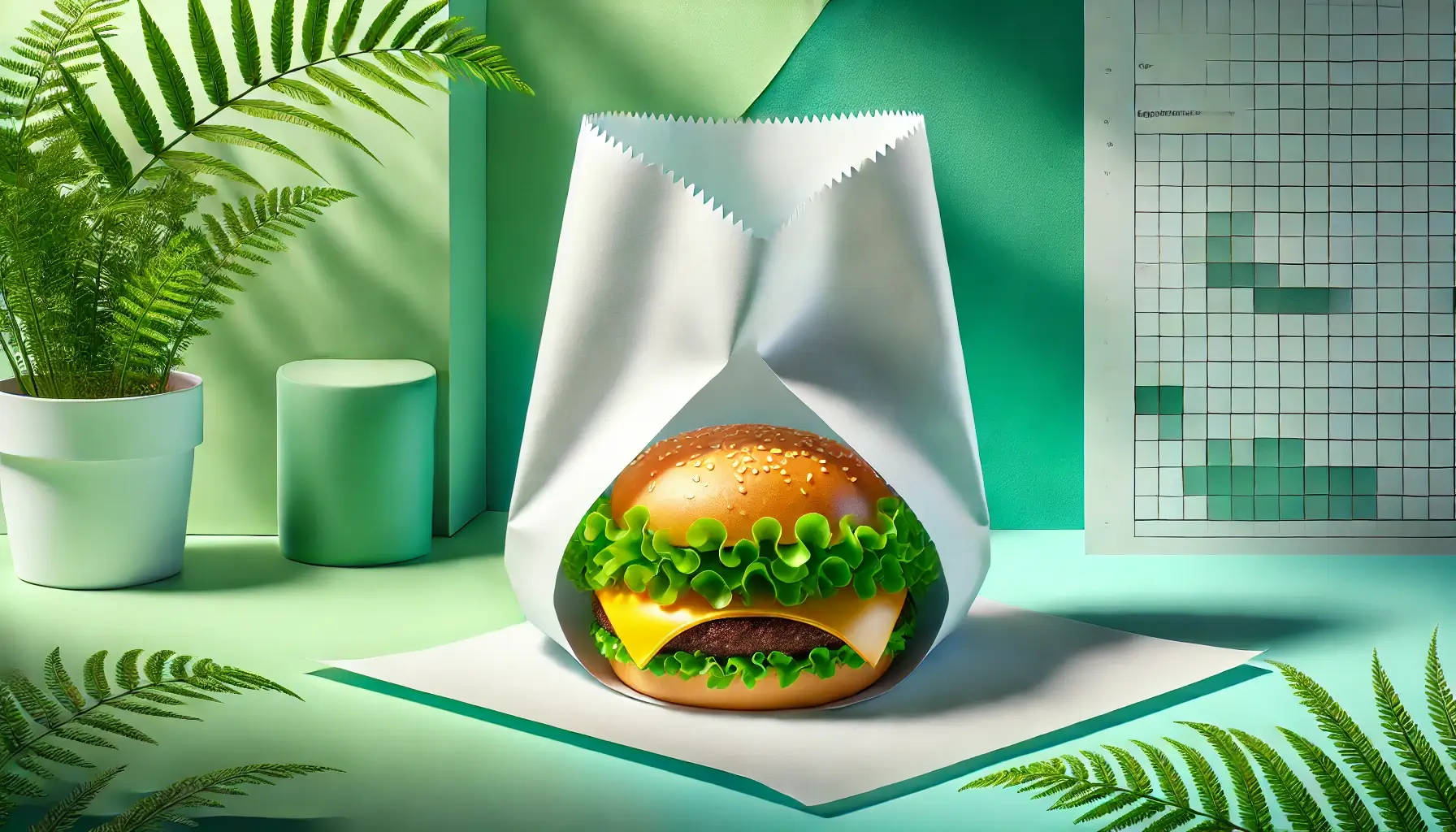
Imagine grabbing a burger from your favorite fast-food spot, and instead of being wrapped in plastic, it’s wrapped in paper that doesn’t get greasy or soggy! Sounds cool, right? Welcome to the world of waterproof and greaseproof paper, one of the newest and coolest innovations in the paper industry that’s changing the game.

What’s the Problem?

You’ve probably noticed that a lot of the packaging we use today is made from plastic—whether it’s for food, drinks, or even shipping boxes. While plastic does a great job keeping things dry and free of grease, it has a huge downside: it doesn’t break down easily. Most plastic takes hundreds of years to decompose, which means it’s piling up in landfills and oceans, causing major pollution.

That’s where waterproof and greaseproof paper comes in! It’s a new, eco-friendly way to replace plastic packaging and still keep your food fresh and dry.

How Does It Work?

You might be wondering, “How can paper be waterproof or greaseproof? Doesn’t it usually just soak up water and oil?” You’re right, regular paper does! But this special paper is coated with biodegradable materials that act like an invisible shield, blocking water and grease without using harmful chemicals.

This coating makes the paper strong enough to handle oily foods, like pizza or fries, and even liquids without falling apart. The best part? When you’re done using it, this paper can be recycled or composted, unlike plastic.

Why Should You Care?

Okay, so waterproof and greaseproof paper sounds cool, but why should it matter to you? Let’s break it down:

  • It’s Good for the Planet: Switching from plastic to eco-friendly paper reduces the amount of plastic waste that ends up in oceans or landfills. This means less pollution, healthier wildlife, and a cleaner planet for everyone.
  • It’s the Future of Packaging: Major food brands and companies are already starting to use this type of paper for things like fast-food wrappers, sandwich boxes, and even take-out containers. This trend is only going to grow as people become more eco-conscious.
  • It’s Super Convenient: Ever had a greasy sandwich that soaked right through the napkin or wrapper? With greaseproof paper, that doesn’t happen. Your hands stay clean, your food stays fresh, and you don’t have to deal with gross messes.

Where You’ll See It

You might start noticing waterproof and greaseproof paper in lots of places—like when you get take-out, grab a coffee in a paper cup, or even buy snacks at the store. It’s especially great for food packaging because it keeps everything fresh without the need for plastic.

But it’s not just for food! Waterproof paper is also being used for things like packaging sensitive electronics or wrapping items that need extra protection during shipping. It’s strong, reliable, and can handle a lot more than you might think.

The Future is Paper

As we move towards a more eco-friendly world, inventions like waterproof and greaseproof paper are leading the charge. It’s a small change that makes a huge difference. Imagine a world where your favorite snacks, gadgets, and even clothes are packaged in something that’s good for the environment, easy to recycle, and super durable.

Waterproof and greaseproof paper isn’t just a fun idea—it’s a real solution that can help reduce our reliance on plastic and take a step toward a greener future. So next time you unwrap a burger or grab a to-go coffee, take a second to appreciate how far paper has come!

The future is here, and it’s wrapped in waterproof, greaseproof paper!

From Trees to Notebooks: How Wood Turns Into Paper

Ever wondered how a tree in the forest ends up as the paper you use to take notes or doodle during boring classes? The journey of wood to paper is pretty awesome – it’s like a science experiment, a factory adventure, and a bit of magic all rolled into one. Let’s break it down!

Step 1: Trees Become Logs

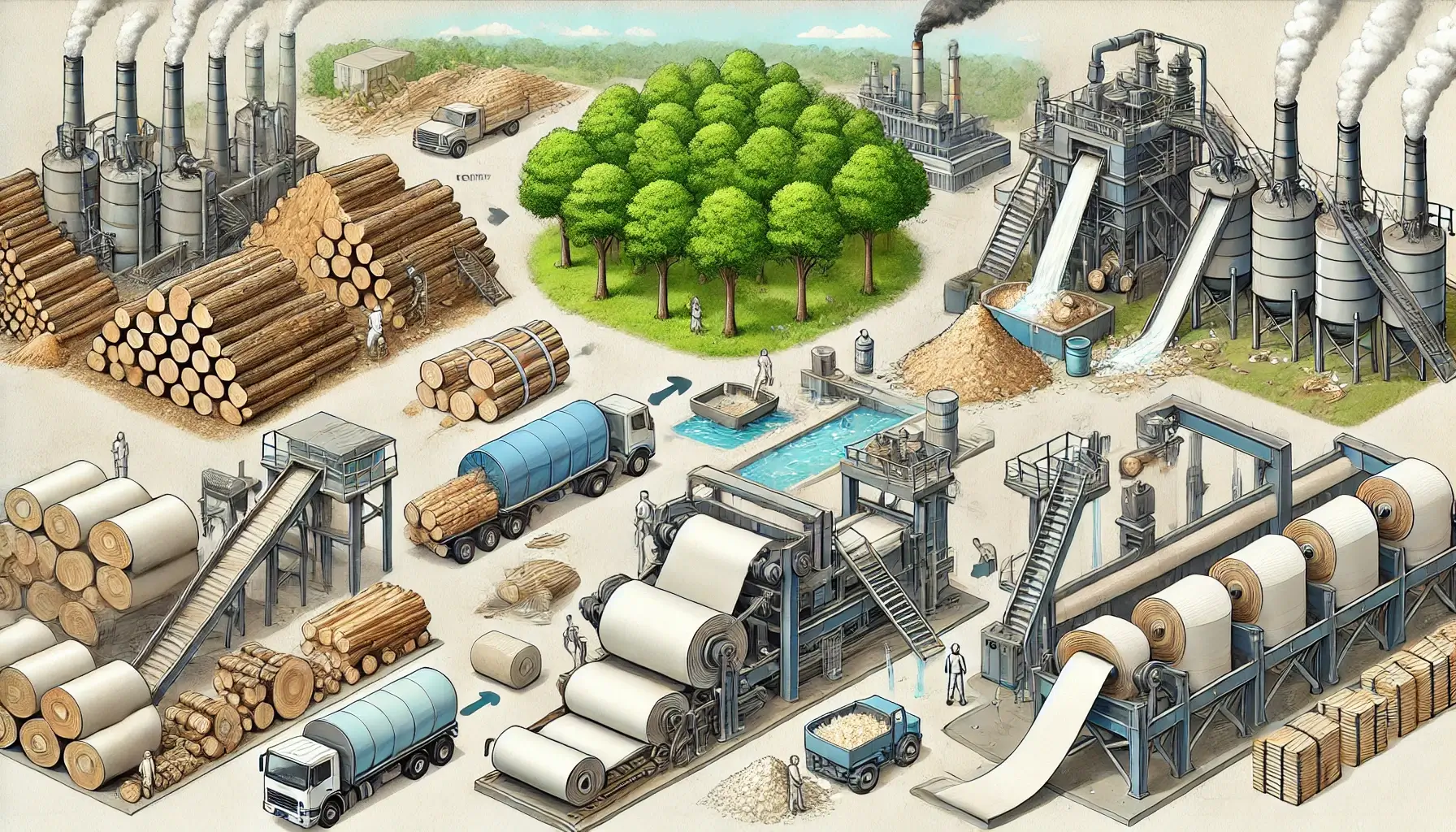
It all starts in a forest. Trees like pine, spruce, or eucalyptus are grown and carefully selected to become paper. Once ready, they’re cut down and transported to a mill. This is where they’re stripped of their bark and cut into smaller logs. Imagine a giant vegetable peeler, but for trees—that’s what happens to get rid of the bark.

Step 2: Turning Logs Into Pulp

Next, these logs are chopped into even smaller pieces, almost like turning the tree into wood chips. These wood chips then go into a “pulping” machine. This machine either boils the chips in chemicals or grinds them up with water until they break down into tiny fibers. This mixture of fibers and water is called pulp. It basically looks like a chunky, wet oatmeal at this point—not too tasty, but essential for making paper!

Step 3: Making the Pulp Smooth

Now, this pulp needs to be cleaned and smoothed out. It goes through several machines to remove impurities and clumps. Sometimes, bleach is added to make the pulp whiter, which makes the paper easier to write on. You can think of this step like when you wash your laundry—the pulp is getting cleaned up to look fresh.

Step 4: From Pulp to Paper Sheets

Here’s where it gets really cool. The cleaned pulp is spread out on a massive flat screen that drains out the water. The pulp fibers begin to stick together, forming a thin mat. Picture spreading a thin layer of mashed potatoes on a screen and letting it dry—only way more watery and smooth. Rollers then press the mat to squeeze out even more water, making it flat and solid.

Step 5: Drying and Finishing Touches

The almost-paper is then sent through huge heated rollers to dry completely. This is where it finally starts looking like the paper you know. After drying, it’s smoothed out and sometimes even coated to make it glossy or easier to write on. If it’s going to be printer paper, it might get cut into those perfect rectangular sheets you see in reams at school.

Step 6: Ready for Use!

Finally, the paper is rolled into massive rolls or cut into sheets, ready to become notebooks, textbooks, or even toilet paper. It’s pretty wild to think that the same stuff that once formed a giant tree is now sitting in your backpack, ready for your next masterpiece—whether it’s a sketch, an essay, or just a doodle of your favorite band logo.

The Bigger Picture

The whole process might sound simple, but there’s a lot of technology, science, and even some environmental responsibility involved. Sustainable paper companies plant new trees to replace the ones they use, making sure forests keep growing. So next time you grab a sheet of paper, remember that it started out as part of a towering tree, survived some intense chopping, boiling, and pressing, all so you could write that math homework (or maybe just a funny note to a friend).